Everybody loves snacks.
Unfortunately, most of the snacks you’ll encounter are definitely not healthy. Delicious? Yes. Keto-friendly? Oh, most certainly not.
However, as the Keto Diet and the low-carb trend continues to skyrocket in popularity, the marketplace is reacting. For example, even SlimFast now makes “Keto Snacks.”
“The times they are a-changin’.”
Is this good news? Bad news? Do you have free rein on these low-carb snacks? Or are you setting yourself up for failure by thinking “low carb” and “Keto” mean you can eat junk food?
We’ll explore all that and more in today’s article. We shall address:
- The best Keto or low-carb friendly snacks to buy
- The best Keto or low-carb friendly snacks to make
- Snacks you’ll definitely want to avoid
- Why snacking could be signs of other issues
- What “Team No Snack” is all about
I’ll cover the ins and outs of Keto first, and then dive into the best snacks for your money if you’re trying to stay on the low-carb straight and narrow.
Let’s dive in!
Low-Carb and Keto Diet 101

If this article is the first time you’ve heard the term “Keto,” you should really check out our resource The Beginner’s Guide to the Keto Diet. We discuss everything you’ve ever wanted to know about Keto and low-carb diets – including whether or not you should even DO Keto. It’s certainly not for anybody, but I know it’s hot in the streets and it’s probably why you’re reading THIS resource on snacks!
Plus, there’s a sweet Ninja Turtles GIF in my article and I’m super proud of it.
I’ll wait for you to read it.
I’m patient.
…and you’re back. Good to see you. I like what you’ve done with your hair.
Before we jump into our low-carb snacks recommendations, I want to remind you of the Keto food groups:
- Meat. Red meat (like steak), pork products (sausage and bacon and ham), and white meat (like chicken and turkey).
- Fish. High-fat fish like tuna and salmon are the go-to for Keto.
- Eggs and dairy. White, yellowish, fats and protein for the win.
- Healthy fats. Nuts, seeds, and avocados should be your staples. Although the later, avocados, contains decent carbs. More on this later.
- Dressings and oils. Greek dressing, Caesar dressing (check the ingredients first!), ranch, aioli. When you need an oil, stick to extra-virgin olive oil, avocado oil, or coconut oil.
- Veggies. Prioritize the less starchy, green ones like spinach, kale, broccoli, and cauliflower (ok, it’s white).
- Meatless proteins. Tempeh, tofu, and seitan can take the place of meats in a vegetarian or vegan Keto Diet. Gotta get that protein from somewhere, right?
Most of what you eat, snack or no snack, should be from the above if your goal is to follow a ketogenic diet
And your goal, even if you are Keto, will be to eat snacks and meals that fit into your calorie goals for the day (Hooray thermodynamics).
Cool? Cool.
If you are hungry, there’s nothing stopping you from eating leftover chicken and a little avocado. A “snack” can be all sorts of things and can look like a small meal. I’ll touch on this again later.
For now, let’s get you what you’re here for.
30 Keto or Low-Carb snacks to buy
When thinking about snacks, the simpler the better.
A good way to determine simplicity is through the ingredients. Is the jerky just beef, salt, and pepper? Or is it beef, sugar, salt, soy sauce, fructose, hydrolyzed corn protein… you get the idea[1].
Here are recommendations you can purchase to fill your pantry with some low-carb snacks.
- Almonds. On the nut spectrum, almonds would be towards the fatter side. A great low-carb snack. Just watch portion control with roasted and salted kinds. It’s easy to devour quite mindlessly.
- Recommended Brand: Blue Diamond Almonds
- Serving size: 28g (28 nuts)
- Calories: 170
- Net Carbs: 2g
- Protein: 6g
- Fat: 16g
- Almond Butter. One of my go-to snacks is almond butter. Although I generally eat it when I’m trying to GAIN weight. That’s because, as you’ll see, it contains quite a bit of calories per serving.
- Recommended Brand: 365 Everyday Value
- Serving size: Two tablespoons (32g)
- Calories: 190
- Net Carbs: 4g
- Protein: 7g
- Fat: 17g
- Beef Jerky. Who doesn’t love beef jerky?[2] Just make sure they don’t sneak added sugar to it! Sugar is the enemy of Keto.
- Recommended Brand: The People’s Choice
- Serving size: 28g
- Calories: 90
- Carbs: 0g
- Protein: 16g
- Fat: 2.5g
- Beef Sticks. If you need a solid kick of protein, a beef stick will do it. The least processed, the better. For hints on how processed your beef stick is, check the ingredients.
- Recommended Brand: Country Archer
- Serving size: 28g
- Calories: 100
- Net Carbs: 1g
- Protein: 9g
- Fat: 7g
- Brazil Nuts. Another Keto friendly nut comes from South America. The Brazil nut has low carbs, decent protein, and lots of fat. Plus, it’s a great source of nutrients like selenium. Be careful of calorie content though, as with most nuts.
- Recommended Brand: Food to Live
- Serving size: 28g
- Calories: 186
- Net Carbs: 1g
- Protein: 4g
- Fat: 19g
- Cheese Chips. Cheese is great for Keto. If you want to travel with some, a few companies make a “chip” that is pure cheese. Quite popular in the low-carb community.
- Recommended Brand: Moon Cheese
- Serving size: 607 pieces (12g)
- Calories: 67
- Net Carbs: 0g
- Protein: 5g
- Fat: 5g
- Cheese Slices. If you have access to a fridge during your day, you can easily store cheese slices for a quick snack. Roll it up with deli meat for a hearty mini-meal.
- Recommended Brand: Tillamook Sharp Cheddar
- Serving size: three slices (12g)
- Calories: 140
- Net Carbs: 1g
- Protein: 8g
- Fat: 12g
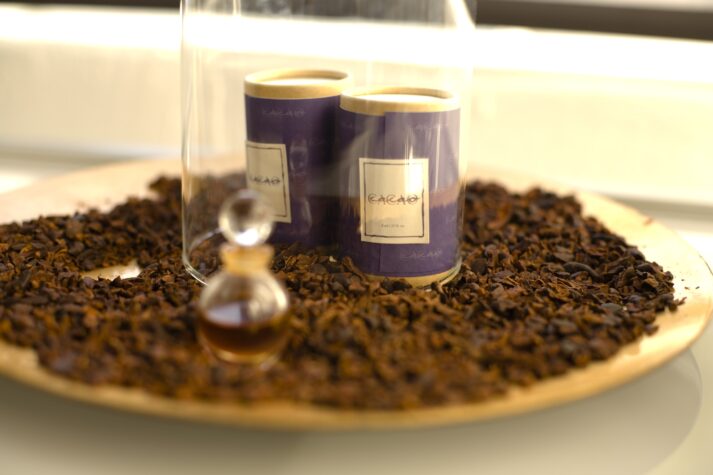
- Cocoa Nibs. If you were to buy chocolate in its purest form, it would be cocoa nibs, made from crushed cacao beans. The good news for those following Keto, is the raw nibs are high in fat, low in carbs, and strong in flavor. Also, cocoa is a great source of antioxidants.
- Recommended Brand: Healthworks
- Serving size: One ounce (32g)
- Calories: 130
- Net Carbs: 2g
- Protein: 4g
- Fat: 14g
- Coconut Butter. If you need a quick Keto snack, a scoop full of coconut butter will work great. It’s sweet but doesn’t contain much sugar. You can even keep a jar and spoon in your office. We all have secrets.
- Recommended Brand: Artisana Organics
- Serving size: Two tablespoons (32g)
- Calories: 210
- Net Carbs: 3g
- Protein: 2g
- Fat: 21g
- Cottage Cheese. Following our trend of full-fat dairy is great for Keto, I introduce cottage cheese. While not my personal favorite, it is a solid source of protein. Buy the highest fat content you can find.
- Recommended Brand: Horizon
- Serving size: Half a cup (11g)
- Calories: 120
- Net Carbs: 4g
- Protein: 14g
- Fat: 5g
- Deli Meat. If you need a quick source of protein, deli meat like turkey will do the trick. Roll it up with cheese slices for extra calories, fat, and happiness.
- Greek Yogurt. While there are some carbs in yogurt, it is a food source high in protein and fat. Greek yogurt tends to have the lowest amount of sugar. Read the label and try and get as much fat as you can.
- Recommended Brand: Fage
- Serving size: One container (200g)
- Calories: 190
- Net Carbs: 6g
- Protein: 18g
- Fat: 10g
- Jell-O (sugar-free). On the one hand, they have zero carbs. On the other hand, they have zero nutrients and are highly processed. However, Jell-O can be useful to quell sugar cravings that might otherwise derail low-carb goals.
- Recommended Brand: Jell-O
- Serving size: One “snack:
- Calories: 10
- Net Carbs: 0g
- Protein: 1g
- Fat: 0g
- Kale Chips. Out of all the chip substitutes, kale isn’t a bad option for low-carb. Try to find brands without much stuff added to them. Preferably just a little oil and salt.
- Recommended Brand: Made in Nature
- Serving size: 28g
- Calories: 150
- Net Carbs: 8g
- Protein: 5g
- Fat: 11g
- Macadamia Nuts. I’ll first state that macadamia nuts can be expensive. However, they are some of the fattest nuts in existence. Not a bad option if you get tired of almonds.
- Recommended Brand: Food to Live
- Serving size: 10-12 kernels (28g)
- Calories: 203
- Net Carbs: 2g
- Protein: 2g
- Fat: 21g
- Macadamia Nut Butter. As the Low-Carb High-Fat trend continues to skyrocket, more unconventional nut butters are hitting the market. Like macadamia nut butter.
- Recommended Brand: FBOMB
- Serving size: One packet (one ounce)
- Calories: 215
- Net Carbs: 1g
- Protein: 2g
- Fat: 22g
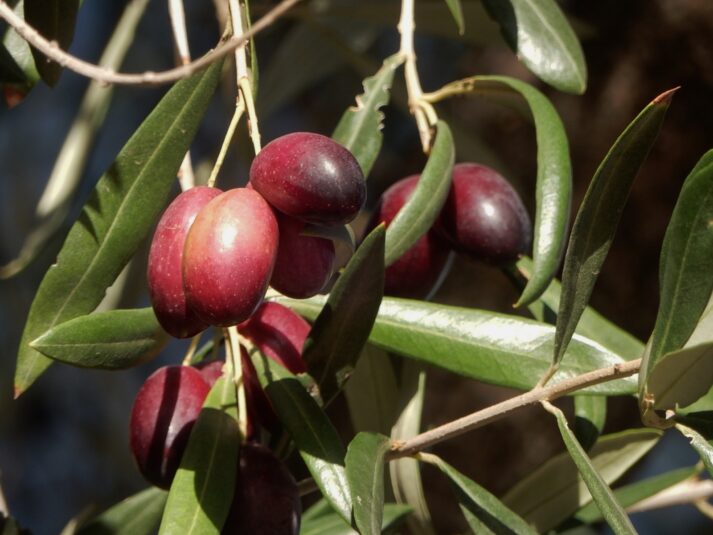
- Olives. One of the fattiest fruits you can find is the olive, which is why they make a great snack for Keto. You can often find them at an olive bar in a grocery store, or you can get them online.
- Recommended Brand: Auzoud Oil-Cured Black Olives
- Serving size: 100g
- Calories: 105
- Net Carbs: 1g
- Protein: 0.9g
- Fat: 4g
- Peanut Butter. Peanut butter can be a quick way to consume nutrients between meals. Use it as a veggie dip! Just watch your portions, as you’ll see from below it’s easy to munch a bunch of calories. Also, look for simple ingredients, like just peanuts and salt.
- Recommended Brand: Fix and Fogg
- Serving size: One tablespoon (15g)
- Calories: 90
- Net Carbs: 0g
- Protein: 8g
- Fat: 5g
- Pecans. Another nut that tends to be on the lower side of a carb count is the pecan. Conversely, pecans are very high in fat.
- Pepperoni slices: Pepperoni slices are dangerous. Highly processed, highly delicious, and full of calories. However as any mutant turtle can tell you, when paired with cheese, pepperoni slices are amazing. Sans bread, of course, for Keto. I won’t tell Michelangelo.
- Recommended Brand: Margherita
- Serving size: 28g
- Calories: 190
- Net Carbs: 1g
- Protein: 3g
- Fat: 20g
- Pickles. If you’re craving something salty, a pickle might just do the trick. Eat it by itself, or dip it in ranch dressing to bump up your calories. Just make sure you grab a brand without added sugar. Yes, pickles can have added sugar.
- Recommended Brand: Vlasic
- Serving size: One ounce (⅔ of pickle)
- Calories: 0
- Net Carbs: 1g
- Protein: 0g
- Fat: 0g
- Pork Rinds. If there is one snack associated with the Keto Diet, it’s pork rinds. Probably because they have zero carbs, plenty of protein and fat, and are crunchy. No Keto ready pantry would be complete without.
- Recommended Brand: Utz Pork Rinds
- Serving size: 14g
- Calories: 80
- Net Carbs: 1g
- Protein: 5g
- Fat: 8g
- Protein Bars. You need to be careful with protein bars. While you can find some that are low in Net Carbs, they’ll generally contain quite a bit of calories, low-carb or no low-carb. However, if you’re trapped in an airport, they can help you stick to your Keto goals. Just watch your portion control on these and make sure to read my full warning in the “Revisiting ‘Team No Snack’” section.
- Recommended Brand: Quest Nutrition
- Serving size: One bar (60g)
- Calories: 200
- Net Carbs: 7g
- Protein: 21g
- Fat: 9g
- Pumpkin Seeds. If you need a good “take anywhere” snack, look to pumpkin seeds. They have lots of fiber so they actually net out at zero carbs. Plus a good source of fat.
- Recommended Brand: Eden Organic
- Serving size: 33g
- Calories: 200
- Net Carbs: 0g
- Protein: 9g
- Fat: 16g
- Sardines. This might not be everyone’s favorite. However, sardines are a fatty fish, meaning great for Keto. To make em palatable, try mixing them with some veggies, olive oil, and vinegar which will create a light salad.
- Recommended Brand: King Oscar
- Serving size: One can (85g)
- Calories: 240
- Net Carbs: 0g
- Protein: 14g
- Fat: 20g
- Seaweed Snacks. On first glance, this might not seem the most appetizing munchie. But they are crunchy, a sought-after trait on the Keto Diet, where a lot of food like cheese can be rather soft. Plus, seaweed has good nutrients for you. Pretend you’re Aquaman.
- Recommended Brand: SeaSnax
- Serving size: One pack (5g)
- Calories: 15
- Net Carbs: 0g
- Protein: 0.3g
- Fat: 2g
- Smoked Oysters. If you like oysters, you’re in luck. Our shelled friends make a good Keto snack, which can be eaten straight out of the can. Oysters provide a great source of zinc and iron.
- Recommended Brand: Crown Prince
- Serving size: One can (65g)
- Calories: 150
- Net Carbs: 7g
- Protein: 11g
- Fat: 8g
- String cheese. For a great snack to take with, look to string cheese. If you find a full-fat variety, you can have a quick bite while running from one errand to another.
- Recommended Brand: Frigo Cheese Heads
- Serving size: One piece (28g)
- Calories: 80
- Net Carbs: 1g
- Protein: 6g
- Fat: 6g
- Toasted Coconut Flakes. As long as you don’t get any with added sugar, coconut flakes can be a great low-carb snack. Great to mix with a salad or just by themselves.
- Recommended Brand: Let’s Do Organic
- Serving size: Three tablespoons (15g)
- Calories: 100
- Net Carbs: 2g
- Protein: 1g
- Fat: 10g
- Walnuts. Another high fat snack are walnuts. Plus, they have good nutrients.
- Recommended Brand: Nature’s Eats
- Serving size: One pack (5g)
- Calories: 15
- Net Carbs: 0g
- Protein: 0.3g
- Fat: 2g
That should get your pantry and fridge full of premade low-carb snacks.
20 Keto or Low-Carb snacks to make
Fancy yourself a decent cook?
With a little bit of preparation, you can have many, many Keto snacks in your home. Would you say, a plethora of low-carb snacks?

Something to note for all of the servings below: KEEP AN EYE ON CALORIE COUNT! Your body still obeys the laws of thermodynamics. Eating 5,000 calories of keto-pancakes won’t result in weight loss. So make sure you are consuming foods that fit into your calorie goals for your weight!
- Bacon. Naturally.
- Bacon Wrapped Jalapeno Poppers. If you fancy a little bit of spice, Bacon-Wrapped Jalapeno Poppers can serve as a great Keto snack. It’s essentially bacon, jalapenos, and a mixture of cream and cheddar cheese.
- Recommended Recipe: Tasteaholics
- Serving size: Eight poppers (four jalapenos)
- Calories per serving: 225
- Net Carbs: 3g
- Protein: 10g
- Fat: 18g
- Cheesy Broccoli. For Keto, a snack is often just finding a low-carb food and covering it in cheese. That’s the story around cheesy broccoli. But hey, broccoli!
- Recommended Recipe: Diet Doctor
- Serving size: One-quarter of the batch (six ounces)
- Calories per serving: 359
- Net Carbs: 6g
- Protein: 13g
- Fat: 32g
- Eggs Muffins. If you need a quick snack on the way out the door in the morning, an egg muffin would be perfect. It’s more or less just egg and cheese, but they store well and can be used in the AM when there’s no time to spare.
- Recommended Recipe: Diet Doctor
- Serving size: Two muffins
- Calories per serving: 336
- Net Carbs: 2g
- Protein: 28g
- Fat: 26g
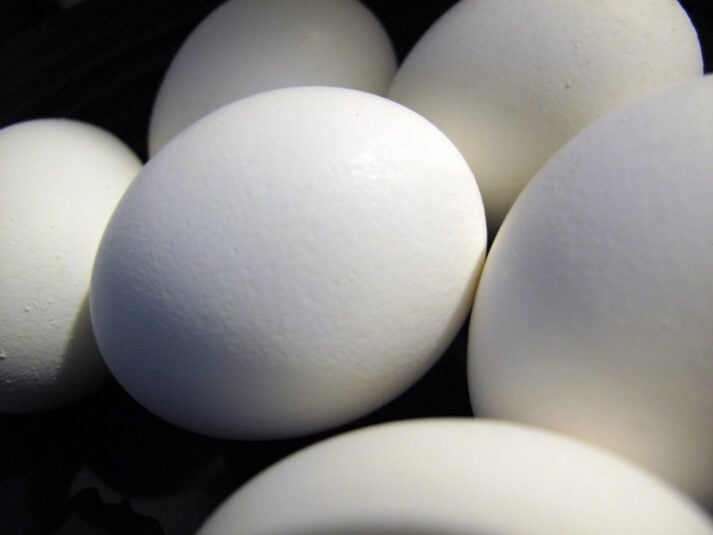
- Hard-boiled Eggs. An egg could quite possibly be the best Keto food when you consider the protein to fat ratio and all the nutrients included. Store in the fridge when you need a quick snack.
- Recommended Recipe: Food Network
- Serving size: One egg
- Calories per serving: 78
- Net Carbs: 0g
- Protein: 6.3g
- Fat: 5.3g
- Ice Cream (Keto). Ice cream? Ice cream. The beauty of the Low-Carb High-Fat Diet comes in with the “high fat.” As long as you keep the sugar content down, ice cream can be a Keto treat. Just remember the “treat” part.
- Recommended Recipe: Chocolate Chunk Avocado Ice Cream from Ruled.Me.
- Serving size: one-sixth of the batch
- Calories per serving: 216
- Net Carbs: 3.7g
- Protein: 3.9g
- Fat: 19.4g
- Guacamole. Avocados are great for you. And guacamole is delicious. However, while avocados are a great source of healthy fat, they might contain enough carbs to knock you out of Ketosis (check carbs below). Be careful.
- Recommended Recipe: Keto Summit
- Serving size: Half of the recipe
- Calories per serving: 180
- Net Carbs: 6g
- Protein: 3g
- Fat: 15g
- Lettuce Wrap. A sandwich can make a great snack. Lose the bread, wrap it in lettuce and BOOM! Keto snack.
- Keto Bread. If you miss bread on your low-carb diet, you can make your own substitute. It’s debatable if it’s anything like actual bread, but it’s full of eggs and almond flour, so you’ll get plenty of fat.
- Recommended Recipe: Delish
- Serving size: Quarter loaf
- Calories per serving: 450
- Net Carbs: 5.5g
- Protein: 18.8g
- Fat: 40g
- Keto Cheesecake. With a lot of sour cream and cream cheese, plus a little erythritol (sugar alcohol), you can have Keto Cheesecake. Probably not something you want to eat all the time, but if you need a low-carb cake, voila.
- Recommended Recipe: Wholesome Yum
- Serving size: One slice
- Calories per serving: 325
- Net Carbs: 5g
- Protein: 7g
- Fat: 31g
- Keto Pancakes. A genius workaround for “no flour” comes from using eggs and cheese for replacement. That’s the name of the game here with Keto Pancakes, which uses eggs and cottage cheese in the place of typical batter.
- Recommended Recipe: Diet Doctor
- Serving size: One pancake, with berries and heavy whipped cream.
- Calories per serving: 425
- Net Carbs: 5g
- Protein: 13g
- Fat: 39g
- Keto Pizza. There are those on Team Nerd Fitness who swear by Keto Pizza. Like pancakes, our flour substitute is egg and cheese for the crust. Pretty good, but it won’t fool a true ninja.
- Recommended Recipe: Ruled.Me
- Serving size: One pizza
- Calories per serving: 459
- Net Carbs: 3.5g:
- Protein: 27g
- Fat: 35g
- Protein Shake. If you’re building muscle, getting enough protein is a must. A shake, both low-carb and Keto friendly, can be a great way to get you there. Just watch your calorie intake.
- Ranch Dressings. If you make Keto friendly ranch dressing, you can use it to cover any low-carb food your heart desires. If you want something to dip your veggies in, here you go.
- Recommended Recipe: Ruled.Me
- Serving size: One tablespoon
- Calories per serving: 106
- Net Carbs: 0.6g
- Protein: 0.6g
- Fat: 11.3g
- Seed Crackers. Craving a cracker replacement? Want to try something other than cheese? Use seeds! Almond flour, various seeds, and coconut oil make up this low-carb snack. All the fiber in the seeds brings the net carb count very low.
- Recommended Recipe: Diet Doctor
- Serving size: One cracker
- Calories per serving: 61
- Net Carbs: 1g
- Protein: 2g
- Fat: 6g
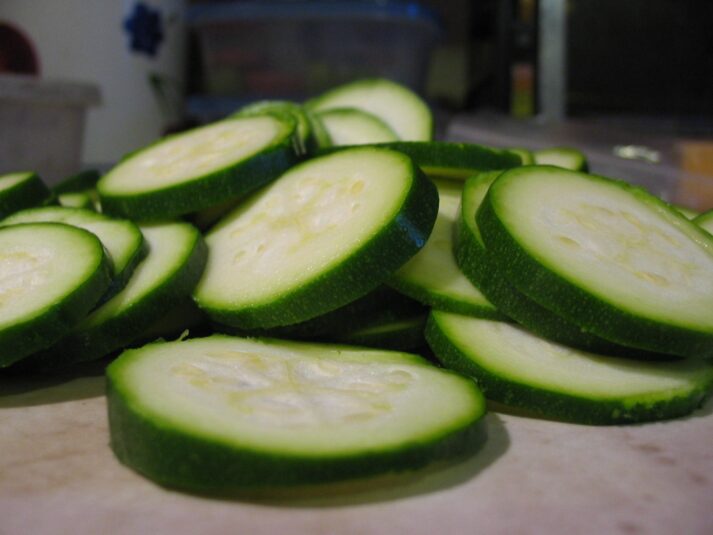
- Sliced Zucchini. Having sliced veggies on hand in the fridge can be great for a snack. Zucchini is a solid choice because it’s low in carbs. It can also be sliced all sorts of different ways and used as a dipping tool. What to dip it in, you say? How about some fatty ranch dressing or guacamole.
- Recommended Recipe: WikiHow
- Serving size: Medium zucchini (196g)
- Calories per serving: 33
- Net Carbs: 4g
- Protein: 2.4g
- Fat: 0.6g
- Spicy Tuna Avocado Boat. Fish? Check. Avocado? Check. Cheese? Sounds like a Keto friendly snack to me.
- Recommended Recipe: Peace, Love and Low Carb
- Serving size: One boat
- Calories per serving: 245
- Net Carbs: 4.8g
- Protein: 17g
- Fat: 14g
- Steak Tips. If you have carnivorous tendencies, you can snack on steak tips. Eat them with sliced veggies and you almost have a full meal.
- Recommended Recipe: Jennifer Banz
- Serving size: Quarter pound
- Calories per serving: 489
- Net Carbs: 1g
- Protein: 23g
- Fat: 44g
- Zucchini Chips. If you’re looking for another chip substitute, zucchini will work great. While they can take a while to cook, if you get them just right, they’ll crunch just like a normal chip.
- Recommended Recipe: All Recipes
- Serving size: Half the batch
- Calories per serving: 111
- Net Carbs: 7g
- Protein: 4g
- Whipped Cream. Part of doing Keto successfully comes down to covering things in extra fat. That’s what they made whipped cream for! Make your own low-carb version.
- Recommended Recipe: Perfect Keto
- Serving size: One tablespoon
- Calories per serving: 60
- Net Carbs: 0g
- Protein: 0g
If you make each of the above recipes, I’ll dub thee the “Keto Chef Master.”
Re-visiting “Team No Snack”
First tough love alert:
I’m the captain of Team No Snack. This means I generally don’t eat snacks.
So instead, I practice intermittent fasting and try to eat two BIG meals each day (Lunch and Dinner) as opposed to lots of small ones throughout the day.
As I point out in the Intermittent Fasting article, the number of times you eat throughout the day won’t impact your waistline as much as the total quantity of calories. That’s right, your metabolism isn’t “stoked” by eating small meals or grazing all day. The science doesn’t back that up. Weight loss comes down to total calories consumed vs total calories burned over the long haul. Said another way: you can get in trouble if you eat big meals and then eat buckets of keto snacks between those big meals.
So snacking isn’t my cup of tea. And neither is Keto, though I know it works wonders for some people (Here’s the diet strategy I employ).
So Keto or no Keto, snack or no snack, what matters is overall compliance – if snacking in between meals allows you to NOT overeat during your big meals, and ALSO you stay under your caloric intake goal for the day, then snacks can be a good fit for you. Eating a Keto snack while on a road trip or at the airport instead of eating junk food (or unhealthy fast food) can be crucial for staying on track!
Speaking of fast food, have you seen our low-carb fast food guide? It’s legit.
Second tough love alert:
Food manufacturers are responding to the growing popularity of the Keto Diet. For evidence, I will again bring up the Keto Peanut Butter Cup by SlimFast. Their product description says “Weight loss has never been so indulgent.”
This should raise a giant red flag.
If you want to eat a peanut butter cup, fine. Reese’s are delicious. Just don’t delude yourself into thinking they are a tool for fat loss because you managed to stay in ketosis while eating them by the bagful.
By the way, the comparison of the Keto Peanut Butter Cup and the Reese’s is justified:
- Calories in Peanut Butter cup from SlimFast: 90
- Calories in Peanut Butter cup from Hershey’s: 87
It boils my blood to see candy marketed as health food. Don’t fall for this!
One of the great benefits of Keto is it forces you to think about the foods you choose. I talk about this in our article on “Mental Models.”
Instead of mindlessly eating, we ask ourselves a simple question: “Would the healthy badass version of me eat this?”
By being able to answer with a yes-or-no, black-or-white answer like: “yes, it’s low-carb” or “no, it’s not vegan,” or “sure, I’ll have some, steak is paleo,” it gives us a chance to track our compliance and actually see some results.
The most important point isn’t actually the answer. The critical step is the question asked. Thinking about what to eat is important for achieving “the perfect diet.” No matter which perfect diet you pick: you have to actually STICK with it, for years, in order to have lasting results
So, if you make more healthy choices than unhealthy choices, over time your physique will start to reflect these improvements. Up the ratio even more, and then we’re talking a body you’re truly proud of.
All this to say: if you’re following Keto, don’t let a corporate executive hijack your Mental Model. Just because something is labeled low-carb, doesn’t mean it will help with weight loss.
No matter what snack you select, low-carb or non-low-carb, try to eat REAL food whenever possible. Real food, as defined in some dictionary you don’t have to bother checking, is food that grew from the ground, on a tree, came out of the sea, ran on the land, or flew through the air. Meat, fish, eggs, vegetables, and fruit and nuts. The backbone of most successful Mental Models rests on REAL food.
If you want to learn more, check out our Guide to Healthy Eating.
If everything I’ve said is freaking you out, and you’re panicking because you haven’t discovered your Mental Model yet, we can help!
We designed a private coaching program to help busy people just like you navigate their fitness goals. Here’s how it works: you’ll partner with one of our trained coaches who will build you a custom workout program, and help you make better nutritional choices. We’ll have you take photos of each meal you consume, offer feedback to help guide your decisions, which ultimately can help you hit your long-term goals.
Interested? Click below and schedule a free call to see if we are a good fit for each other!

Snacking for the right reason

There’s nothing wrong with eating food. None of us would be here without nourishment.
The last time I checked, the “air” diet might stay popular, but doesn’t last long.
There’s no rule stating you can’t have that leftover omelet if you’re hungry before dinner, just make sure you adjust your dinner to stay within your goals. For ideas, check out our post on 10 easy meals to cook, all of which are low-carb friendly. You can cook in batches with leftovers in mind. These are great to have in your office fridge in case you’re hungry while at work.
Just make sure Jerry from Accounting doesn’t pillage your goods.

There’s a food thief in every office.
If cooking isn’t your thing, having a few low-carb friendly snacks already purchased can really help in a pinch. Better to eat a portion of nuts and olives, than hoping the vending machine has Keto compliant snacks.
Now, I want to hear from you:
- What are your favorite low-carb snacks?
- Do you buy Keto friendly choices, or make your own?
- Not into any of this, and with me on eating only at meals?
Let me know in the comments!
-Steve
PS: If you want to want help moving from traditional snacks to REAL food, we can help. As mentioned above, we have a private one-on-one coaching program to help nerds level up their life. If you want help following Keto, or create your own way of eating, we’ll help you along the way.
Click on the image below to chat with a member of Team Nerd Fitness. We’d love to hear from you, no matter what!
###
All photo citations can be found in this footnote[3].
source
https://www.nerdfitness.com/blog/50-keto-snacks-the-ultimate-low-carb-snack-guide/